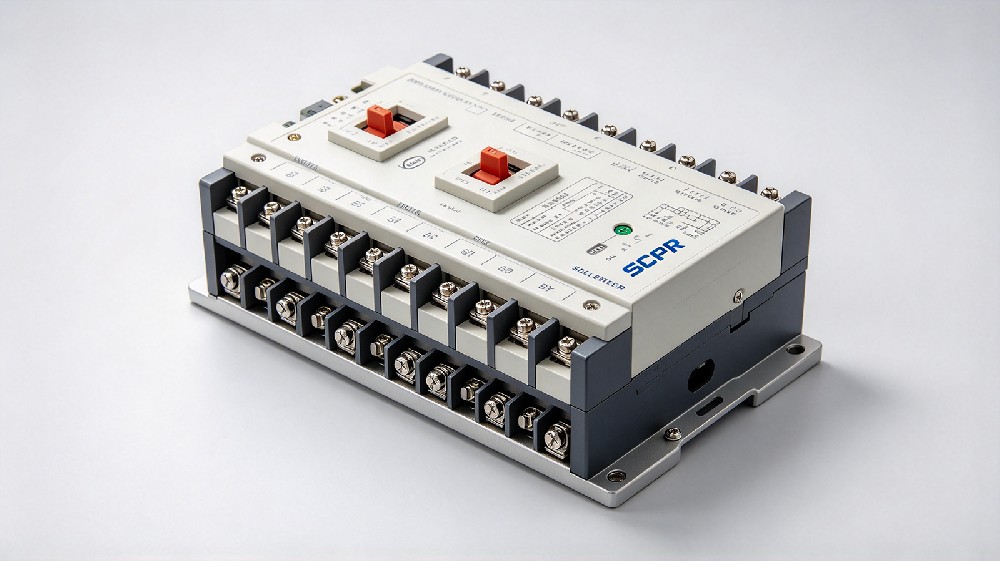
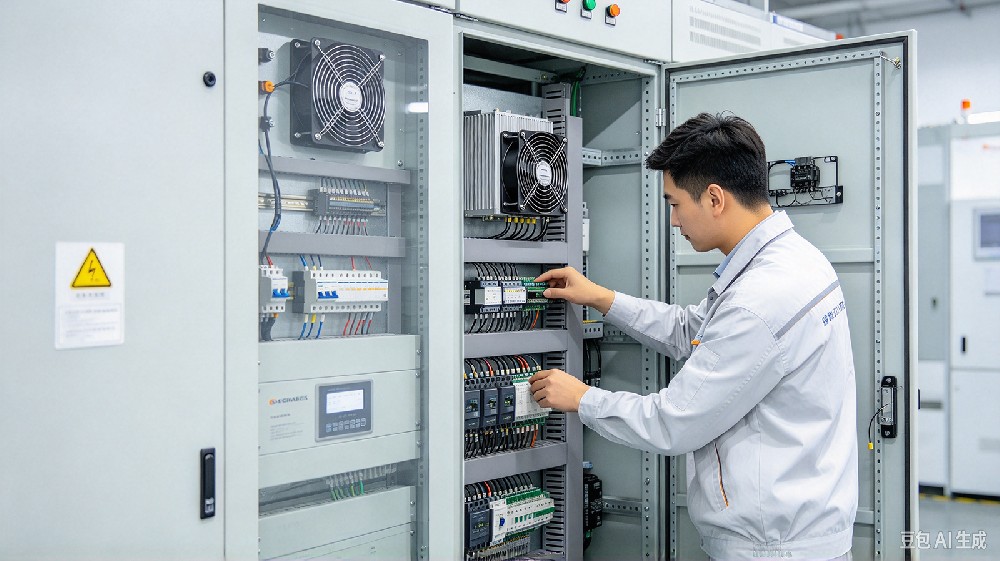
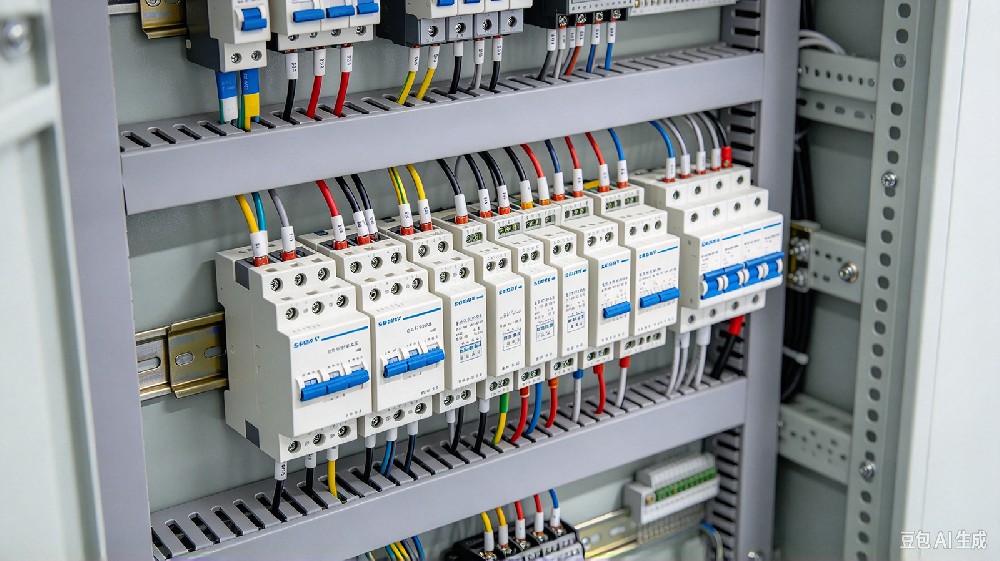
Inside enclosed electrical control cabinets, temperatures often exceed 55°C; beside steel rolling mills, the ambient temperature can reach as high as 70°C; and within solar inverters, the surface temperature of components can approach the 85°C upper limit. High temperature, the greatest "enemy" of solid state relays, is relentlessly eroding the lifespan and reliability of equipment, becoming the primary bottleneck restricting their power density and application scope.
After five years of research and development, the Gordon Electric Thermal Management Laboratory has launched a revolutionary "three-dimensional heat dissipation technology", which has increased the heat dissipation efficiency of solid-state relays by 300% and reduced the operating temperature by 40℃, redefining the industry's heat dissipation standards.
Limitations and Breakthroughs of Traditional Heat Dissipation
The heat dissipation design of traditional solid-state relays has obvious shortcomings:
Single-point thermal accumulation: Heat is concentrated at the power device chip, forming a local high-temperature point.
Excessive thermal resistance layers: chip → insulating layer → substrate → heat sink, each layer has thermal resistance.
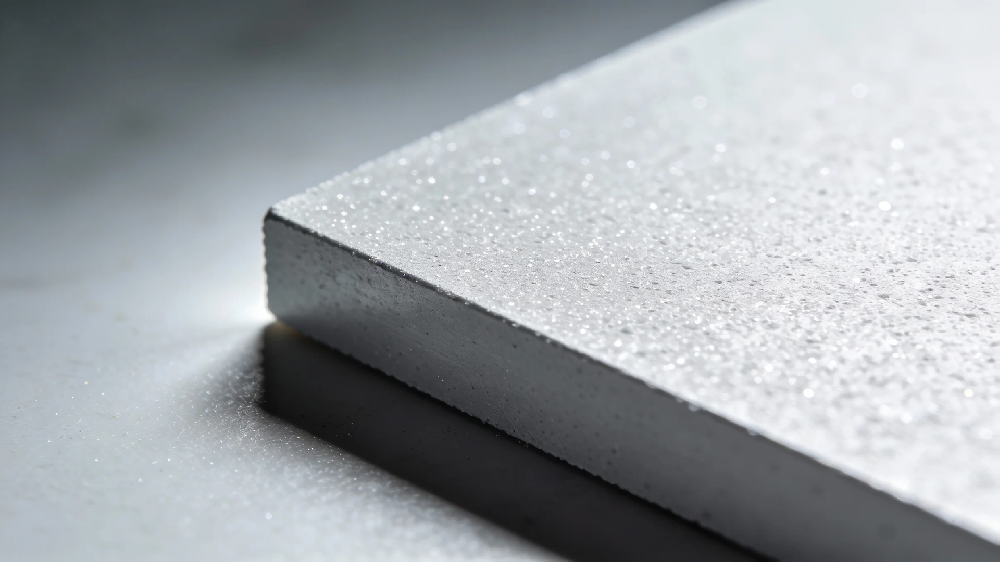
Insufficient air convection: Low efficiency of natural convection for heat dissipation, and forced air cooling increases costs.
Gordon's three-dimensional heat dissipation technology breaks through limitations from three dimensions:
The First Dimension: Materials Revolution
By adopting nano-silver sintering technology to replace traditional thermal silicone grease, the interface thermal resistance is reduced by 60%.
The independently developed high thermal conductivity aluminum nitride ceramic substrate has a thermal conductivity coefficient of 170 W/mK, which is seven times that of traditional aluminum oxide.
The shell is made of heat-conductive engineering plastic, which evenly conducts the internal heat to the entire surface.
The second dimension: Structural innovation
It pioneered the "three-dimensional fin" structure, increasing the heat dissipation area by 2.5 times within a limited space.
Built-in micro heat pipe technology enables rapid and directional heat transfer.
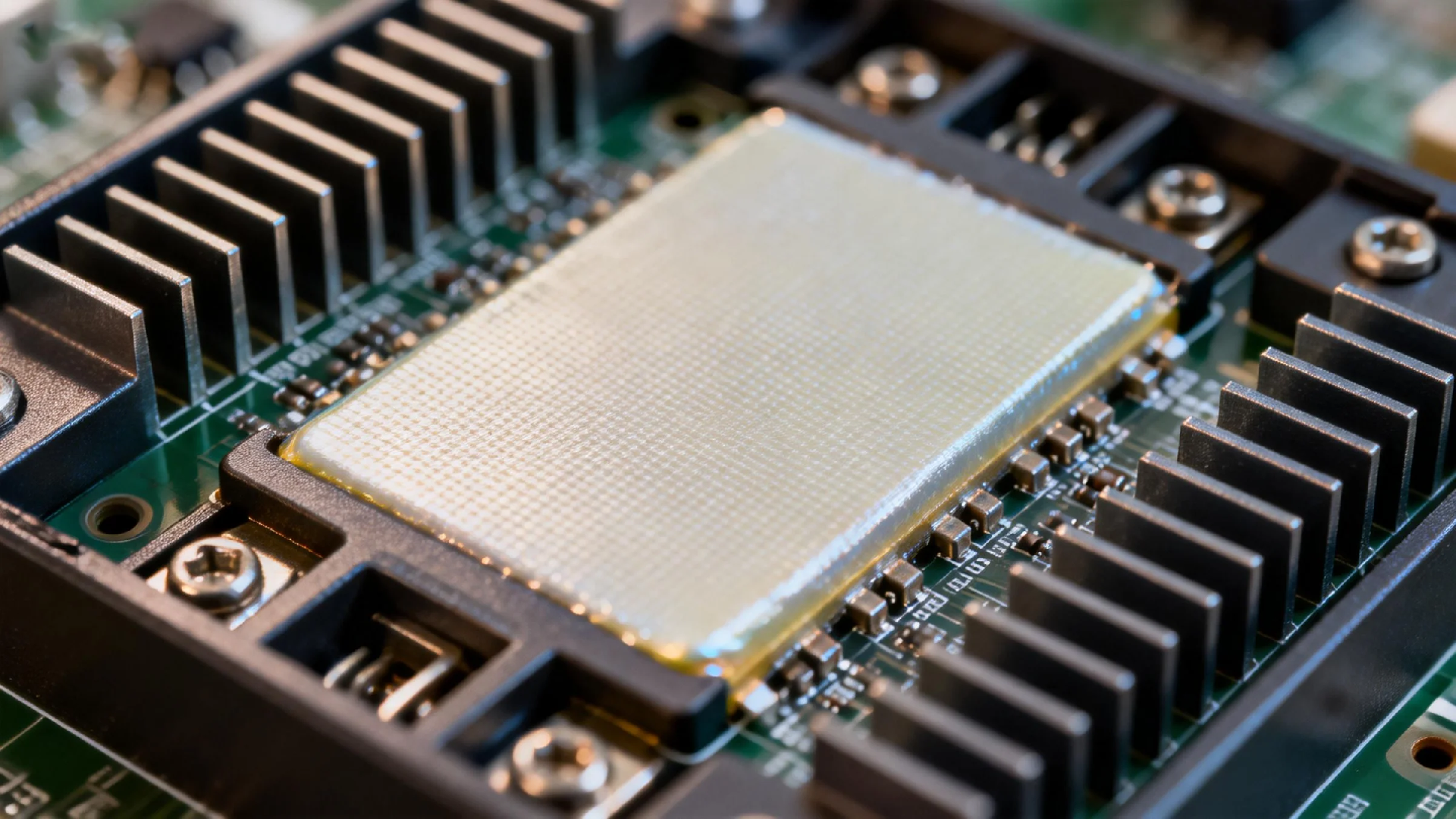
Optimize the chip layout to disperse the heat sources of multiple power chips.
The Third Dimension: System Synergy
Intelligent temperature-controlled fan speed regulation technology automatically adjusts the fan speed based on temperature.
The application of phase change material heat storage technology buffers instantaneous thermal shock.
Temperature management interface for interlocking with cabinet air conditioners
Real-world data attests to the performance leap
In the comparative tests conducted by a third-party authoritative testing institution:
Under the same load (100A), the shell temperature of the new type of solid-state relay from Gaodeng is only 62℃, while that of traditional products reaches 89℃.
Under high-temperature environment testing (85℃ ambient temperature), Godelon products can operate at full load for 1000 hours without derating, while traditional products need to be derated by 50% after only 4 hours of operation.
After 1000 thermal cycling tests (-40℃ to 125℃), the thermal resistance of the Godel product increased by only 8%, while that of the traditional product increased by 35%.
After a large injection molding machine manufacturer in South China applied Godel's high-efficiency heat dissipation solid-state relays, the highest temperature inside the electrical control cabinet dropped from 78℃ to 52℃. The failure rate of other components in the cabinet decreased by 70%, and the overall maintenance cost was saved by more than 800,000 yuan annually.
The significant increase in power density
The excellent heat dissipation performance has brought about a revolutionary breakthrough in power density:
40% volume reduction: At the same current rating, the volume of the new product from Goldon is only 60% of that of traditional products.
Current density improvement: The current-carrying capacity per unit volume has been doubled. The volume of the 125A product is only equivalent to that of the traditional 80A product.
Increased installation density: Supports side-by-side dense installation, with the interval distance reduced to 50% of the traditional requirement.
This breakthrough is of great significance for space-constrained application scenarios. In the traction control cabinets of urban rail transit, after using GDTN compact solid-state relays, the number of control points per cabinet has increased by 65%, reserving valuable space for system function upgrades.
Intelligent Temperature Control and Predictive Maintenance
Gordon integrates the concept of intelligent control into heat dissipation management:
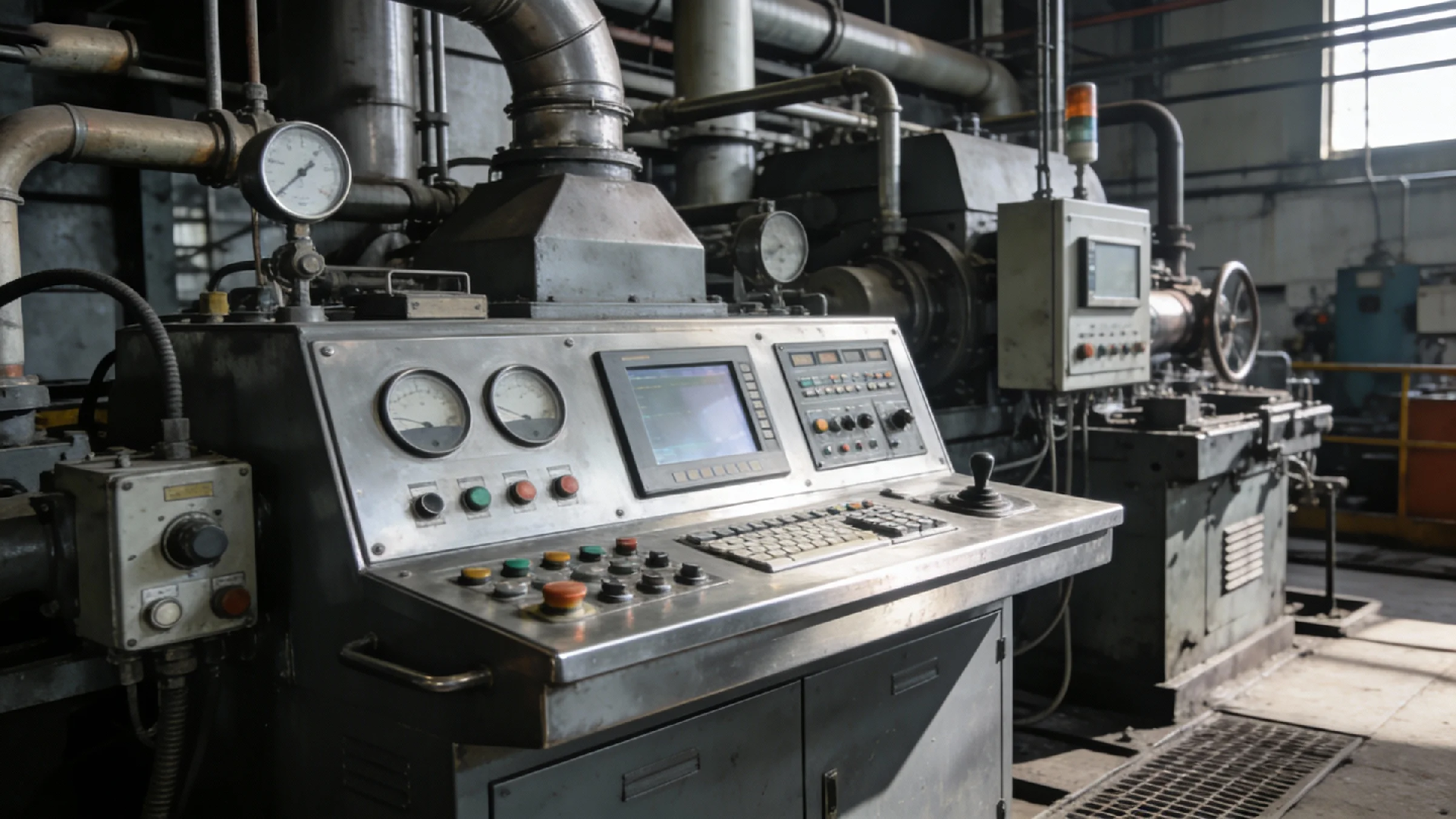
Multi-level temperature monitoring: Four-level temperature monitoring of the chip surface, substrate, heat sink and environment.
Dynamic power management: Automatically adjust the maximum output current based on real-time temperature to maximize the utilization of device capacity within a safe range.
Heat dissipation health assessment: By monitoring the trend of thermal resistance changes, it can provide early warnings of the deterioration of the heat dissipation system.
Cloud platform thermal analysis: Upload the operating temperature data to the cloud platform for big data analysis and optimization suggestions.
The inverter cluster of a photovoltaic power station in East China has adopted the intelligent temperature-controlled solid-state relay of Godel. The system automatically adjusts the operating parameters during the high-temperature period of summer to avoid derating due to overheating. As a result, the annual power generation has increased by 3.2%, which is equivalent to an additional 1.5 million kilowatt-hours of electricity generated each year.
The wide application prospects
The efficient heat dissipation technology has opened up new application doors for solid-state relays:
Extreme high-temperature environments: On-site control equipment in industries such as steel smelting, glass manufacturing, and ceramic sintering.
High power density applications: new energy vehicle charging piles, shore power systems, high-power laser equipment
Confined space scenarios: submarines, armored vehicles, avionics equipment
Long-life requirement fields: nuclear power equipment, deep-sea exploration, satellite power systems
In the baggage sorting system of Beijing Daxing International Airport, the high-temperature solid-state relays of Godel have been working stably in the underground tunnel that is 200 meters long. The ambient temperature in summer often exceeds 45℃. Since its operation, it has maintained a zero-fault record.
The breakthrough in heat dissipation technology is not merely about reducing a few degrees of temperature; it has opened the door for solid-state relays to advance towards higher power, smaller size, and more severe environments. Godel Electric, through the deep integration of materials science, structural design, and intelligent control, has redefined the heat dissipation standards for solid-state relays. We firmly believe that outstanding heat dissipation performance is the cornerstone of reliability and the key to breaking through application boundaries. Choosing Godel means choosing the superior quality that can withstand the most rigorous "test of fire", providing your critical equipment with long-lasting and stable power support.