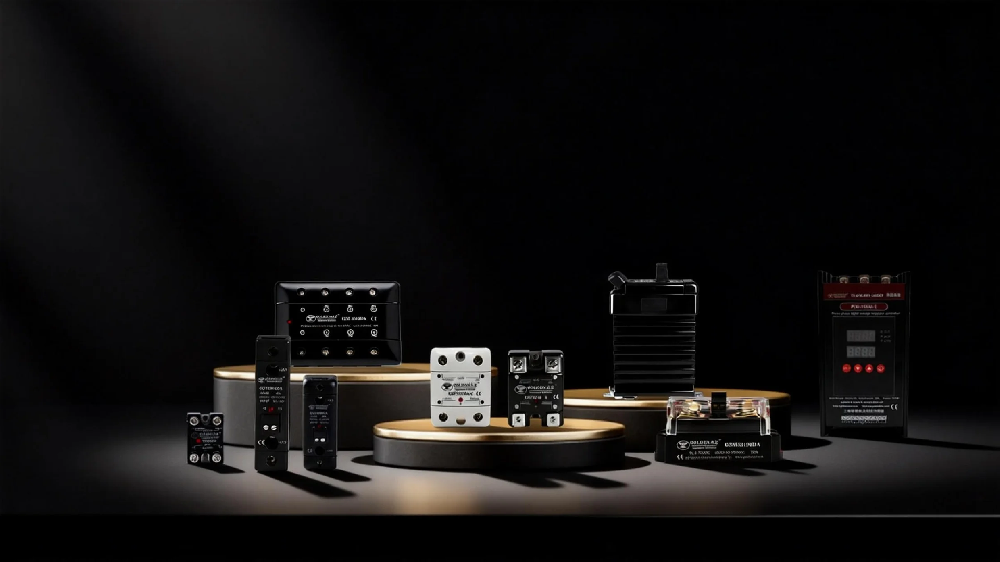
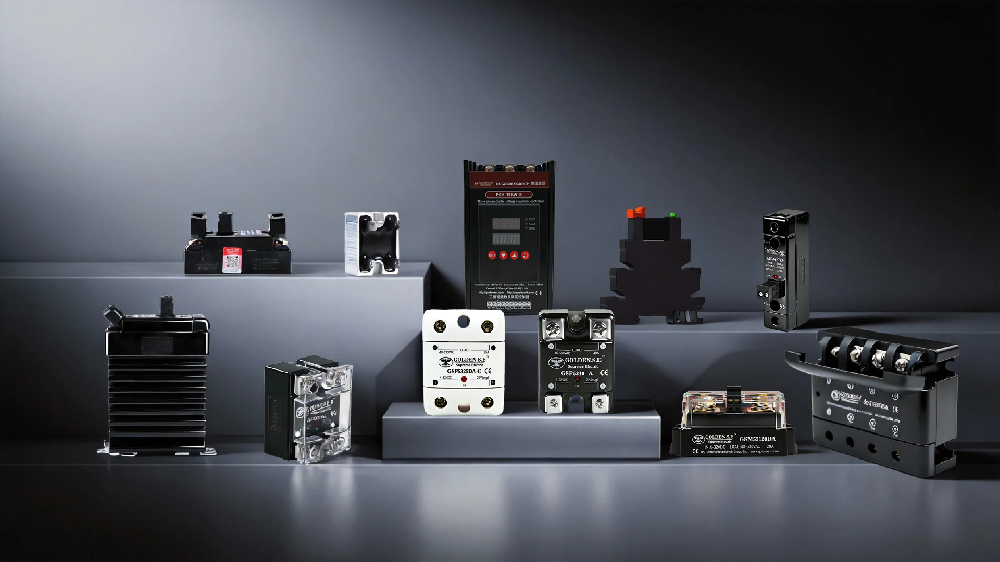
In the skyscrapers of modern cities, hundreds of thousands of sensors monitor the environment in real time every day, thousands of devices work in coordination, and hundreds of systems are intelligently interconnected. Building energy consumption accounts for 40% of the total social energy consumption, and 30% of this energy waste is due to improper control. Godelon solid state relays, with their contactless, long-life, and high-response characteristics, are becoming a key technical support for energy conservation and emission reduction as well as comfort improvement in smart buildings.
Intelligent Energy Saving of Central Air Conditioning Systems: From Coarse Adjustment to Fine Control
Central air conditioning accounts for 40-60% of building energy consumption, and there is huge potential for energy saving through intelligent control.
Optimization of Centralized Control for Chiller Groups:
Load forecasting control: 24-hour cold load forecasting based on weather forecasts and historical data, with an accuracy rate of over 85%
Number of units optimization control: Automatically start and stop the chiller units based on the actual load to always maintain operation in the high-efficiency zone.
Chilled water temperature control: Automatically adjust the supply water temperature based on the terminal demand, and keep the temperature difference within a reasonable range.
Cooling tower interlocking control: Automatically adjust the operation strategy of the cooling tower based on the outdoor wet bulb temperature, saving energy by 15-20%.
Intelligent control of air handling units:
Variable air volume control: Automatically adjust the supply air volume based on CO₂ concentration and heat load, with air volume adjustment accuracy of ±5%.
Fresh air demand control: Optimal control of fresh air volume based on the enthalpy difference between indoor and outdoor environments, reducing fresh air energy consumption by 30%.
Filter differential pressure monitoring: Automatic alarm for filter blockage and precise prediction of replacement timing
Anti-freezing protection control: Automatic anti-freezing protection in winter, reducing the risk of pipe freezing and cracking by 95%.
Networked control of fan coil units:
Independent control for each room: Set the temperature for each room separately and adjust the comfort level according to individual preferences.
Automatic shut-off when no one is present: Infrared sensor automatically turns off when no one is around, saving 30-40% of energy.
Remote centralized management: The property remotely monitors the status of all room thermostats and promptly handles any abnormalities.
Automatic fault diagnosis: Automatic fault diagnosis for fans and valves, with automatic generation of maintenance work orders.
Coordinated control of cold and heat sources:
Multi-energy coordination: Optimization of multi-energy coordination for electric refrigeration, ice storage cooling, and ground source heat pump
Energy storage control optimization: off-peak electricity for cold and heat storage, reducing operating costs by 25%
Heat recovery and utilization: Automatic control of exhaust air heat recovery and condensation heat recovery, comprehensive energy efficiency improvement
System COP Monitoring: Real-time monitoring of system energy efficiency ratio, continuous optimization of operational efficiency.
After the Shanghai Tower adopted the Gandon intelligent air conditioning control system, its annual power consumption was reduced by 38%, which is equivalent to a reduction of 12,000 tons of carbon emissions each year and a saving of over 20 million yuan in electricity fees.
Smart Management of Lighting Systems: From Timed Switching to On-Demand Lighting
Lighting energy consumption accounts for 20-30% of building energy use, and intelligent control can achieve significant energy savings.
Intelligent lighting for public areas:
When people come, the light turns on; when they leave, the light turns off: dual detection by microwave and infrared, false alarm rate < 1%
Automatic brightness adjustment: Automatically adjust the brightness of artificial lighting according to the natural light intensity, saving 40-60% of energy.
Scene mode control: One-click switch between meeting mode, cleaning mode and security mode.
Loop load balancing: Intelligent scheduling of lighting circuits, three-phase load balancing, and reduction of line losses.
Optimization of Lighting in Office Areas:
Individual control of workstations: Each workstation's lighting is independently controllable, with the desktop illuminance adjustable from 300 to 500 lux.
Constant illuminance control: The desktop illuminance sensor provides real-time feedback to maintain a stable illuminance.
Curtain linkage control: The curtains automatically adjust according to the position of the sun to make full use of natural light.
Rhythmic lighting: Simulating the changes of natural light, with automatic adjustment of color temperature from 2700K to 6500K, it boosts employees' work efficiency by 15%.
Intelligent Management of Outdoor Lighting:
Astronomical clock control: Automatically calculates sunrise and sunset times based on longitude, latitude and date.
Midnight Light Mode: Automatically reduces brightness or turns on at intervals in the latter half of the night, saving 50% of energy.
Traffic flow sensing control: Road lighting automatically adjusts its brightness based on traffic volume.
Automatic fault alarm: Single lamp controller faults are automatically reported, and the maintenance response time is less than 2 hours.
Intelligent Monitoring of Emergency Lighting:

Automatic inspection test: The emergency lighting system is automatically tested every month, and the test report is automatically generated.
Battery health monitoring: Online monitoring of battery voltage and internal resistance, and life prediction
Dynamic evacuation guidance: Adjust the evacuation direction dynamically based on the fire situation during a fire.
Remote centralized monitoring: All emergency lighting equipment status is centrally monitored to ensure a 100% integrity rate.
Intelligent Scheduling of Elevator Systems: From Independent Operation to Collaborative Optimization
Elevators are the core of vertical transportation in high-rise buildings, and intelligent scheduling enhances efficiency:
Group control scheduling optimization:
Destination floor reservation: Passengers select their destination floors in the waiting hall, and the system intelligently allocates elevators.
Passenger flow pattern recognition: Automatic identification of patterns such as upward flow during the morning rush hour, downward flow during the evening rush hour, and two-way flow during lunchtime.
Dynamic zone control: Dynamically divide service floors based on passenger flow, reducing waiting time for elevators by 30%.
Energy-saving operation mode: During periods of low passenger flow, some elevators automatically enter sleep mode, and the waiting time is intelligently balanced.
Energy feedback control:
Potential energy recovery and utilization: The potential energy of the elevator during descent is converted into electricity and fed back to the power grid, achieving energy savings of 30-40%.
Standby mode optimization: Idle elevators automatically return to the base station or enter deep standby mode.
Elevator cabin lighting and ventilation control system: Automatically turns off the lighting and ventilation when the cabin is unoccupied, saving 15% of energy.
Drive efficiency optimization: The efficiency of permanent magnet synchronous motor drives exceeds 96%, reducing energy consumption by 20%.
Enhanced security monitoring:
Automatic alarm for trapped people: The elevator can automatically detect when people are trapped, automatically dial the alarm number and comfort the passengers.
Operation status monitoring: Real-time monitoring of vibration, noise, and floor-leveling accuracy, predictive maintenance
Door protection system: Dual protection with light curtain and safety touch plate, reducing the failure rate of door opening and closing by 90%.
Fire emergency landing control: Automatically return to the base station and open the door in case of fire. Firefighters have priority access.
Smart Elevator Experience:
Face recognition for elevator access: Authorized personnel can automatically call the elevator to the designated floor by simply scanning their faces.
Mobile app reservation: Reserve the elevator via your mobile phone and get in immediately upon arrival at the floor. The waiting time is significantly reduced.
Voice control interaction: voice elevator call, floor selection, barrier-free usage experience
Information service integration: real-time updates of information release, weather and news in the cabin.
Intelligent Management of Water Supply and Drainage Systems: Efficient Utilization of Water Resources
The water consumption in buildings is huge. Intelligent control helps achieve water-saving goals.
Variable frequency constant pressure water supply control:
Precise pressure control: The pressure at the end of the pipeline network is stable, with a fluctuation range of ±0.02 MPa.
Intelligent rotation of water pumps: Even use of multiple water pumps, extending their lifespan by 30%
Dormancy and wake-up control: Automatically enters dormancy during low water usage at night and quickly wakes up when water is used.
Automatic fault switching: When the operating pump malfunctions, the standby pump is automatically put into operation to ensure continuous water supply.
Intelligent Management of Hot Water Systems:
Timed heating control: Set the heating time according to water usage habits to avoid 24-hour heating.
Temperature stratification control: The temperature in the water storage tank is higher at the top and lower at the bottom, optimizing heat exchange efficiency.
Variable frequency control of circulating pump: The circulating pump automatically adjusts its frequency based on the temperature difference, achieving a 40% energy saving.
Anti-scald protection: When the water temperature exceeds the set value, cold water is automatically mixed in for safety protection.
Intelligent control for reclaimed water reuse:
Real-time online monitoring of water quality: turbidity, residual chlorine, and pH value to ensure treatment effect.
Automatic backwashing: When the pressure difference of the filter reaches the set value, it will automatically backwash to restore the filtration capacity.
Precise disinfectant dosing: Automatic dosing of disinfectant based on flow rate and water quality to ensure disinfection effectiveness.
Variable frequency control of the reuse pump: The reuse pump automatically adjusts according to the water tank level for energy-saving operation.
Rainwater collection and utilization control:
Initial runoff control: Automatically divert the heavily polluted rainwater at the beginning of the rainfall to ensure the quality of the collected rainwater.
Intelligent liquid level control: Automatic control of liquid levels in the collection tank and clear water tank, and automatic start and stop of the water pump.
Water quality treatment control: automatic control of flocculation, filtration and disinfection, ensuring the treated water meets the standards.
Automatic allocation of uses: Automatic allocation for uses such as landscaping, flushing toilets, and car washing, maximizing utilization.
Intelligent Interconnection of Security Systems: From Independent Alarm to Proactive Defense
Modern building security is evolving towards proactiveness and intelligence:
Intelligent Analysis of Intrusion Alarm:

Multi-sensor detection technology: Triple detection of infrared, microwave and video, false alarm rate < 0.1%
Behavior pattern recognition: Intelligent identification of normal and intrusion behaviors, reducing false alarms by 90%
Pet interference prevention: Smart algorithms identify pet activities to avoid false triggers.
Alarm video linkage: When an alarm is triggered, relevant videos are automatically retrieved for quick confirmation of the emergency situation.
Intelligent Upgrade of Video Surveillance:
Face recognition control: Automatic identification and alarm for key individuals, with an identification accuracy rate of over 99%.
Abnormal behavior detection: Automatic detection of abnormal behaviors such as loitering, gathering, and leaving behind objects.
License plate recognition management: Automatic recognition and recording of vehicle entry and exit, black and white list management
Video quality diagnosis: Automatic detection of camera malfunctions, automatic alerts for blurry or obstructed images.
Intelligent Management of Access Control System:
Multi-factor authentication: Card swiping + password + biometric features for multiple authentications, enhancing security.
Visitor appointment management: Visitors make online appointments, and temporary permissions are automatically granted.
Tailgating detection alarm: Automatic alarm for multiple cards per person and tailgating entry.
Fire linkage release: When a fire alarm is triggered, the access control system automatically releases, ensuring the evacuation routes are unobstructed.
Intelligent linkage of fire protection systems:
Early smoke detection: Ultra-early air sampling detection, 20 minutes earlier than traditional smoke detectors.
Dynamic evacuation guidance: Adjust the evacuation routes in real time based on the fire situation, and provide real-time guidance on the display screen.
Intelligent smoke control and exhaust: Automatically activate the smoke control and exhaust system of the corresponding area based on the fire location.
Elevator fire emergency descent: In case of fire, non-firefighting elevators automatically descend to the ground floor, while firefighting elevators stand by.
Energy Consumption Monitoring and Management System: The Smart Brain of Building Operations
Fine-grained management of building energy consumption requires comprehensive monitoring and analysis:
Sub-item metering system:
Real-time energy consumption monitoring: Real-time sub-item metering of lighting, air conditioning, power, and special electricity usage.
Automatic data collection: Automatic collection of electricity meter, water meter and gas meter data, with adjustable frequency.
Abnormal energy consumption warning: Automatic warning for abnormal energy consumption, timely detection of leakage and water leakage
Data quality verification: Automatic verification of collected data, identification and elimination of abnormal data.
Energy efficiency analysis and diagnosis:
Benchmark comparison analysis: Comparison and analysis of actual energy consumption with design benchmarks and historical benchmarks
Energy efficiency index calculation: Automatic calculation of indicators such as energy consumption per unit area and per capita energy consumption.
Energy-saving potential identification: Energy-saving potential identification based on data analysis and quantification of energy-saving effects
Energy efficiency benchmarking management: Benchmarking against the energy efficiency of similar buildings and continuously improving.
Energy-saving control optimization:
Demand response control: In response to the demand-side management of the power grid, automatically reduce load during peak hours.
Optimal start-stop control: Optimizing the start and stop times of equipment based on outdoor temperature and building thermal inertia.
Load forecasting control: Load forecasting based on weather forecasts and schedules, with adjustments made in advance.
System adjustment and optimization: Regularly perform system adjustments to restore designed performance.
Carbon footprint management:
Carbon Emission Calculation: Automatic Carbon Emission Calculation Based on Energy Consumption Data
Carbon emission reduction assessment: Evaluation of carbon emission reduction effects of energy-saving renovation measures
Carbon report generation: Automatic generation of carbon emission reports to meet regulatory requirements.
Carbon Neutrality Planning: Path Planning and Implementation Tracking for Carbon Neutrality in Buildings
Smart Home and Office Integration: Personalized Comfort Experience
The ultimate goal of intelligent buildings is to serve human needs:
Smart home control system:
One-click scene control: Switch between home mode, away mode and cinema mode with one click.
Voice control integration: Seamless integration with mainstream smart speakers, allowing voice control of all devices.
Remote monitoring and control: Use the mobile app to remotely monitor and control home devices for safety and peace of mind.
Energy visualization management: Real-time visibility of household energy consumption, guidance for energy-saving behaviors
Smart office environment:

Workstation Reservation System: Online reservation for mobile office workstations, automatic device activation upon arrival at the workstation.
Intelligent management of meeting rooms: Online booking of meeting rooms, automatic activation of equipment before use.
Environmental personalized adjustment: Personalized settings for temperature, lighting and fresh air at individual workstations.
Health promotion in the office: Reminders for prolonged sitting, eye exercises, and environmental quality.
Intelligent Conference System:
Automatic meeting preparation: Automatically turn on the equipment and adjust the environment before the meeting starts.
Wireless screen projection control: Wireless screen projection from mobile phones and computers, one-click sharing of meeting materials.
Automatic meeting minutes: Automatic conversion of meeting audio to text and automatic generation of minutes.
Automatic energy consumption management: Devices are automatically turned off at the end of the meeting, and the energy-saving mode is activated.
Barrier-free intelligent environment:
Voice control coverage: All devices support voice control for barrier-free use.
Automatic sensor control: Automatically turns on when people approach and turns off when they leave.
Personalized memory settings: Automatically remember personal preferences without the need for repeated settings.
Remote assistance function: Family members or property management can remotely assist with operations, making it convenient for the elderly.
Digital Twin and Operation & Maintenance Management: Smart Building Lifecycle
Digital twin technology is transforming the operation and maintenance management model of buildings:
Construction of Building Digital Twin:
BIM model integration: Import BIM models in the design stage to form the basis of digital twins.
Device information association: All device information is associated with the model. Click to view detailed information.
Real-time operation data: Real-time operation data is synchronized with the digital twin, and the status is visible in real time.
Historical data review: Historical operation status can be reviewed at any time, and fault analysis is supported.
Predictive maintenance management:
Equipment health monitoring: Real-time monitoring of the health status of key equipment and early warning of performance degradation.
Fault prediction analysis: Fault prediction based on operational data, and advance maintenance scheduling
Maintenance plan optimization: Maintenance plan optimization based on equipment status to avoid over-maintenance.
Optimization of spare parts inventory: Based on predictive spare parts demand forecasting, inventory costs are reduced.
Energy simulation optimization:
Energy-saving measures simulation: Energy-saving renovation measures are simulated in the digital twin, and the effect is pre-assessed.
Operation strategy optimization: Simulation of different operation strategies in digital twins, selection of the optimal strategy
Fault impact analysis: Analysis of the impact of equipment failure on the system and formulation of emergency plans
Renovation and expansion simulation: Simulation of building renovation and expansion plans, comprehensive impact assessment
Digitalization of operation and maintenance management:
Automatic work order generation: Maintenance work orders are automatically generated for equipment failures and dispatched to the corresponding personnel.
Maintenance process record: Complete record of the maintenance process, maintenance quality is traceable.
Knowledge base accumulation: Maintenance experience accumulation forms a knowledge base, providing support for new employee training.
Quantitative performance assessment: Quantitative performance assessment for operation and maintenance personnel, improving work efficiency
Under the wave of green building and smart city development, Godel Electric will continue to focus on the field of building intelligence, leveraging advanced and reliable control technologies to facilitate the transformation of the construction industry towards green, intelligent and humanized directions. From design to operation and maintenance, from energy conservation to comfort, Godel control systems are safeguarding every intelligent aspect of modern buildings.
Choosing Golen's intelligent building solutions means choosing a commitment to quality living and sustainable development. Let's join hands and use innovative control technologies to jointly build a smarter, greener and more comfortable building environment, contributing solid technical strength to a better life.